Traveling the World, One Famous Painting at a Time

Olivia Louden
It’s 10:30am, and I am in Midtown Manhattan, waiting for a guard to unlock a set of glass doors. I’m going over the plan in my head one last time when, finally, the line starts moving. I get through security, the museum ticket on my phone is scanned, and I immediately flee the crowd of slow-moving visitors and race up the escalators until I reach Gallery 501.
And there it is. Van Gogh’s Starry Night. The real one, not a poster or a desktop screensaver or a mousepad. The actual masterpiece, painted by Vincent himself, is a few feet away from me. I can see the brushstrokes.
This is why I got here right when the MoMA opened, and why I looked up the painting’s location ahead of time, and why I made sure I was the first one to get to it. For a few moments, I am alone with one of the most famous images in human history.
Other guests trickle in pretty quickly, so I cede the space to let someone else look closely.
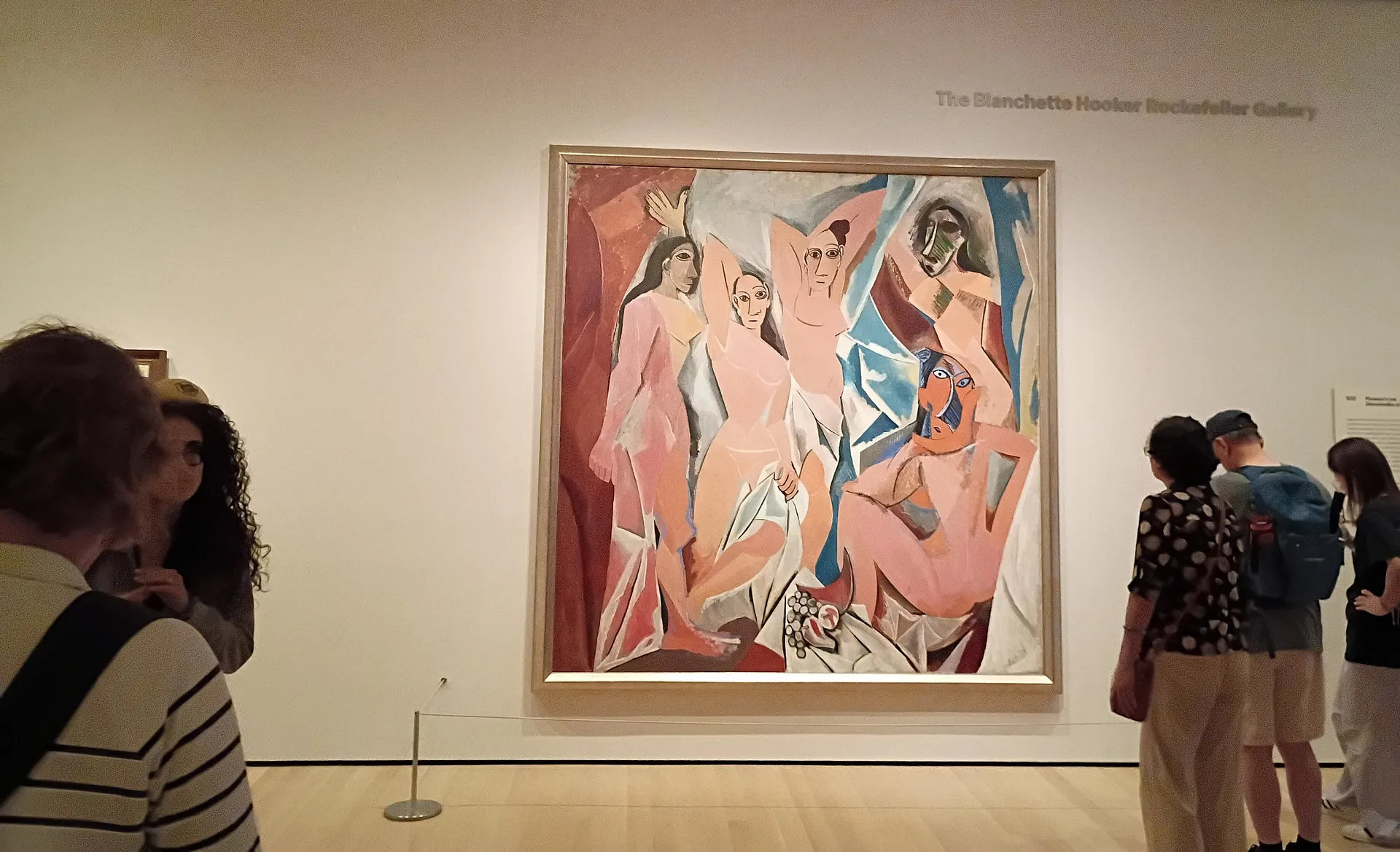
I spend the next four hours at MoMA, making sure I see absolutely everything. It’s quite a star-studded affair. The Persistence of Memory, Les Demoiselles d’Avignon, some Mondrians, some Magrittes, some Monets. It’s like walking through an art history textbook, and that’s exactly why I came.
When I was a kid, my little hometown renovated its outdated old library and expanded into a shiny new building that was five times bigger, and I found myself with a lot more reading options. Most excitingly, I now had access to a new section labeled “ART.”
Thus began my era of carrying home a giant stack of art history books every few weeks. I’d liked drawing and painting for as long as I could remember, but the books opened up an entirely new world to me. Suddenly, art had context. The shapes and colors and subjects and styles were all connected to a time and place.
The most famous paintings were in every single art history book, and they became familiar faces to me, almost like celebrities. Underneath every one of those images, the book would list a location: The National Gallery, London. The Louvre Museum, Paris. The Museum of Modern Art, New York City.
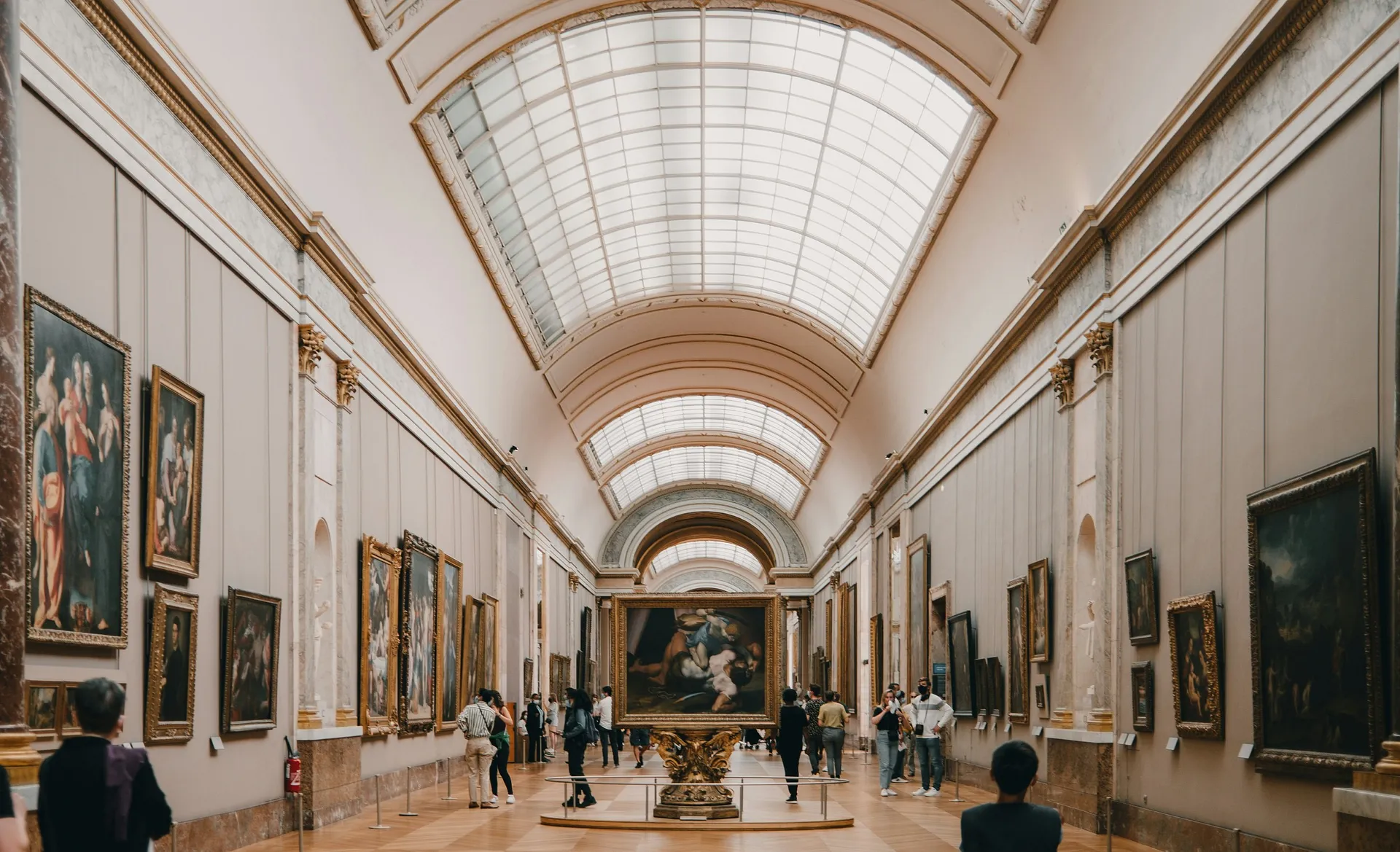
I grew up in a semi-rural part of California and had never been on an airplane, so those seemed like quite exotic, far-off places to me. None of my local art museums had any celebrities in them. Famous paintings were something that lived elsewhere; they were something that required a long journey to witness in person.
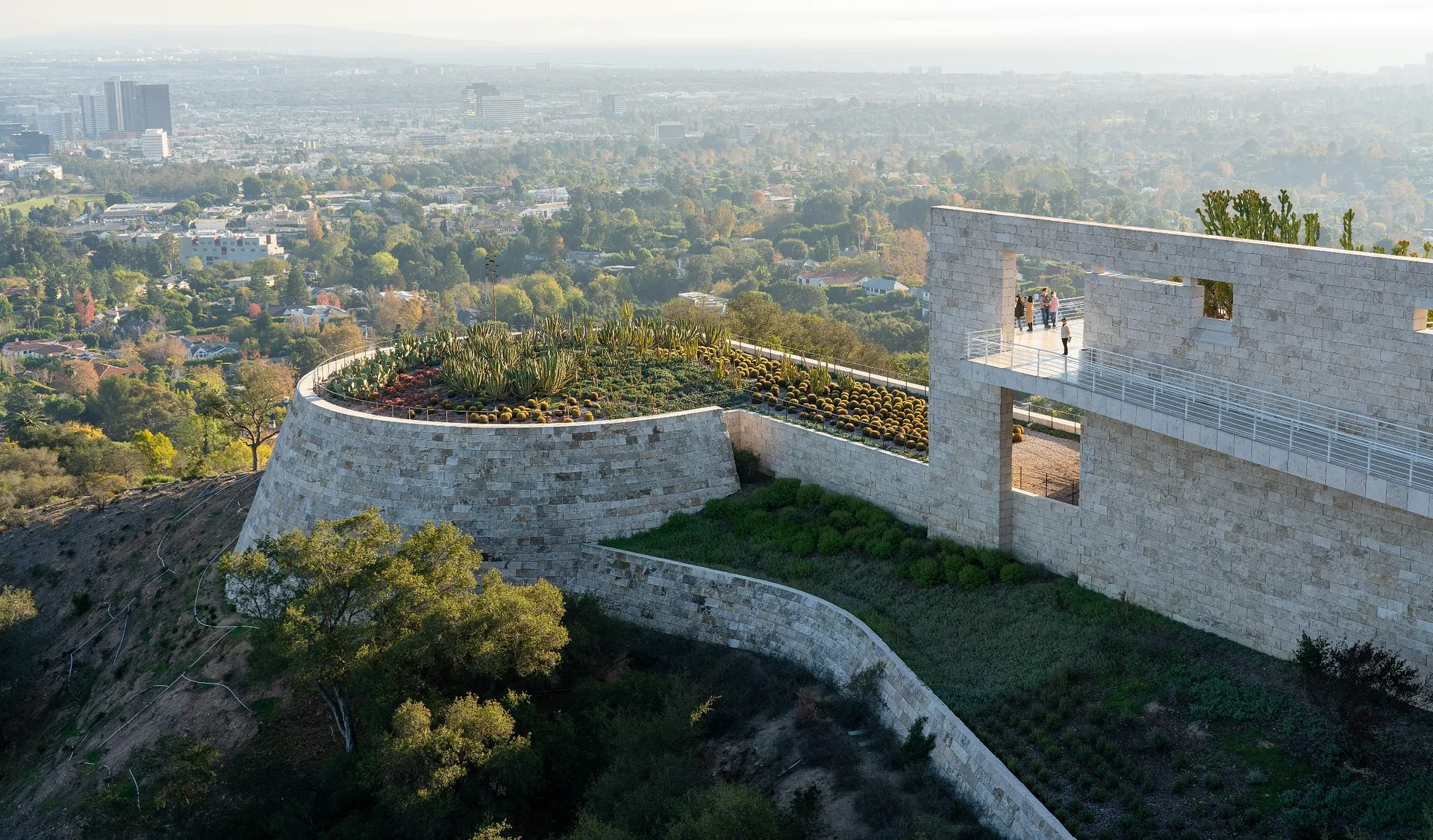
The first time I ever saw a recognizable painting with my own eyes was during an elementary school field trip to the Getty Museum in Los Angeles. They were displaying one of Monet’s bridges at the time, and I remember staring in disbelief that it was real. The 3.5-hour bus ride had been miserable, but it brought me to the real-life version of an image I had seen a hundred times. It had proven that the paintings in my books were real and I could reach them with enough determination.
It would be a while before I got to travel far away and see more famous paintings, but the connection between art and travel was firmly planted in my mind. I took notice of all the ways in which they were linked. I collected posters from various cities and pinned them on my wall. I sorted through my grandparents’ menagerie of Mexican and indigenous art they collected during trips to the Southwest. I practiced painting by copying travel photos. And above all, I kept a loose mental list of where every famous artwork was located and wondered which ones I’d be able to see before I die.
After graduating college, I spent a few months selling my own art to tourists at Balboa Park in San Diego, which taught me what it was like to be on the other end of that connection. I still couldn’t travel myself, but the link between the two fields stayed strong – by far, my best-selling pieces were of scenes in San Diego. Everybody wanted a piece of my city to take home with them.
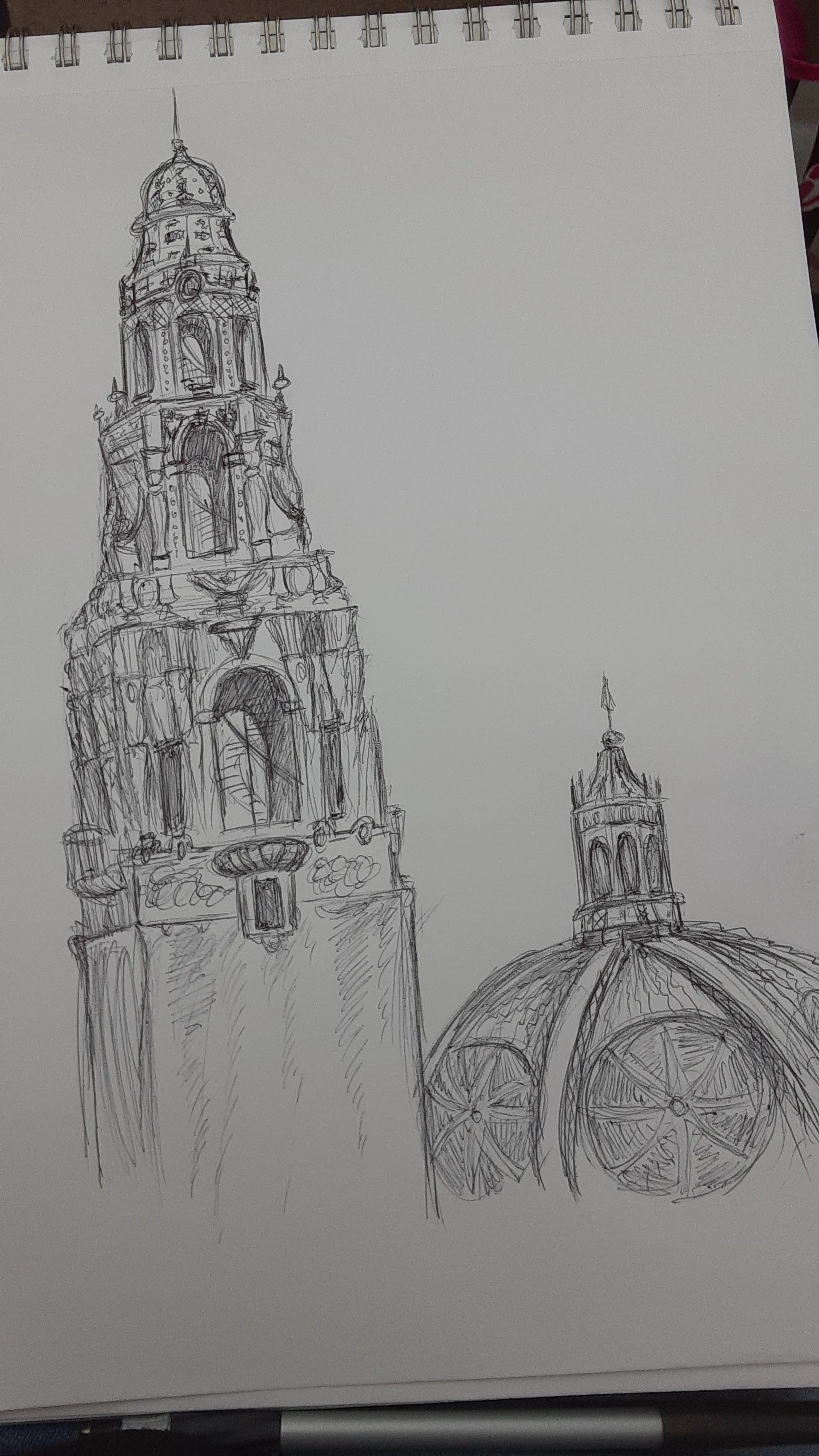
California Tower in San Diego – I kept making new sketches of it because they sold faster than anything else.
Eventually, I was able to get out and start seeing more of the world. The first truly iconic painting I ever witnessed while traveling was Klimt’s The Kiss, at the Belvedere in Vienna. I even wore my matching Klimt socks for the occasion, like I was wearing a band t-shirt to a concert. I couldn’t believe how stunning it was in person, how much the gold leaf caught the light.
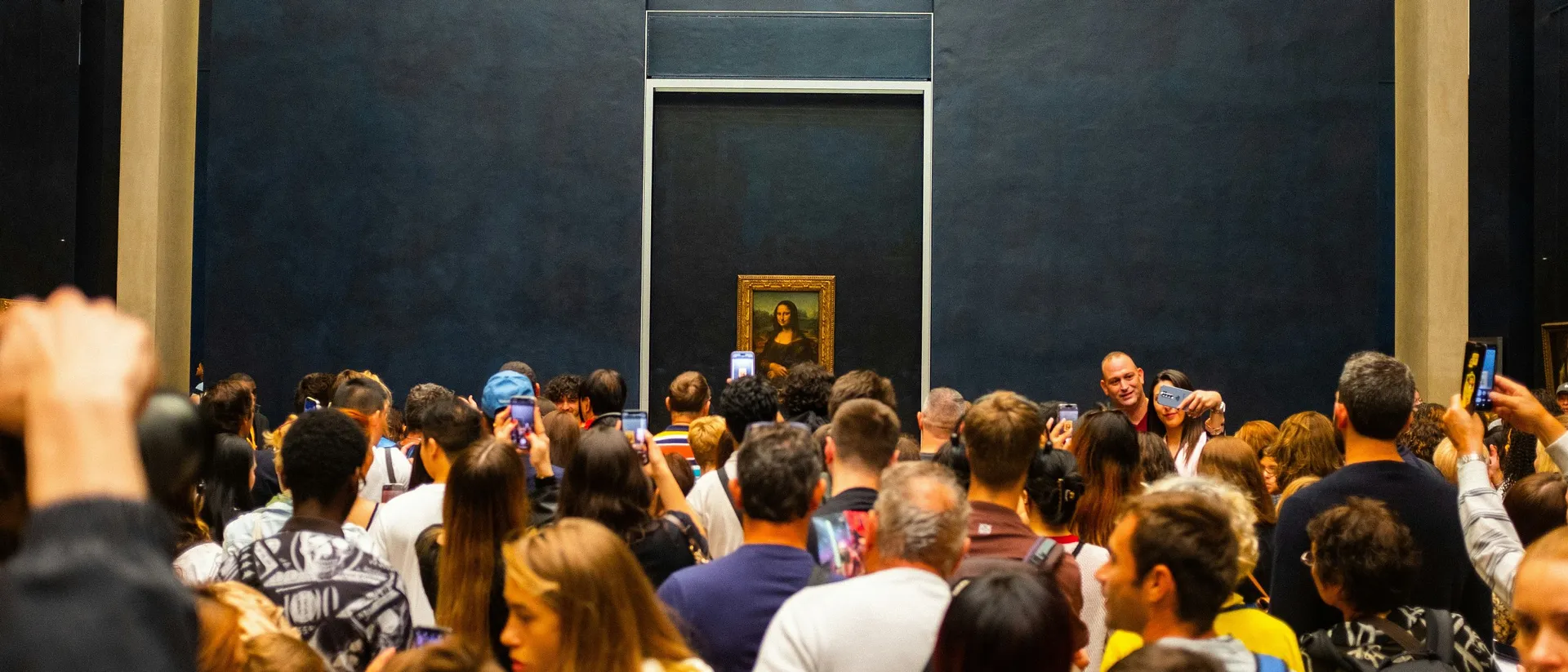
And of course, there was a massive crowd around it:
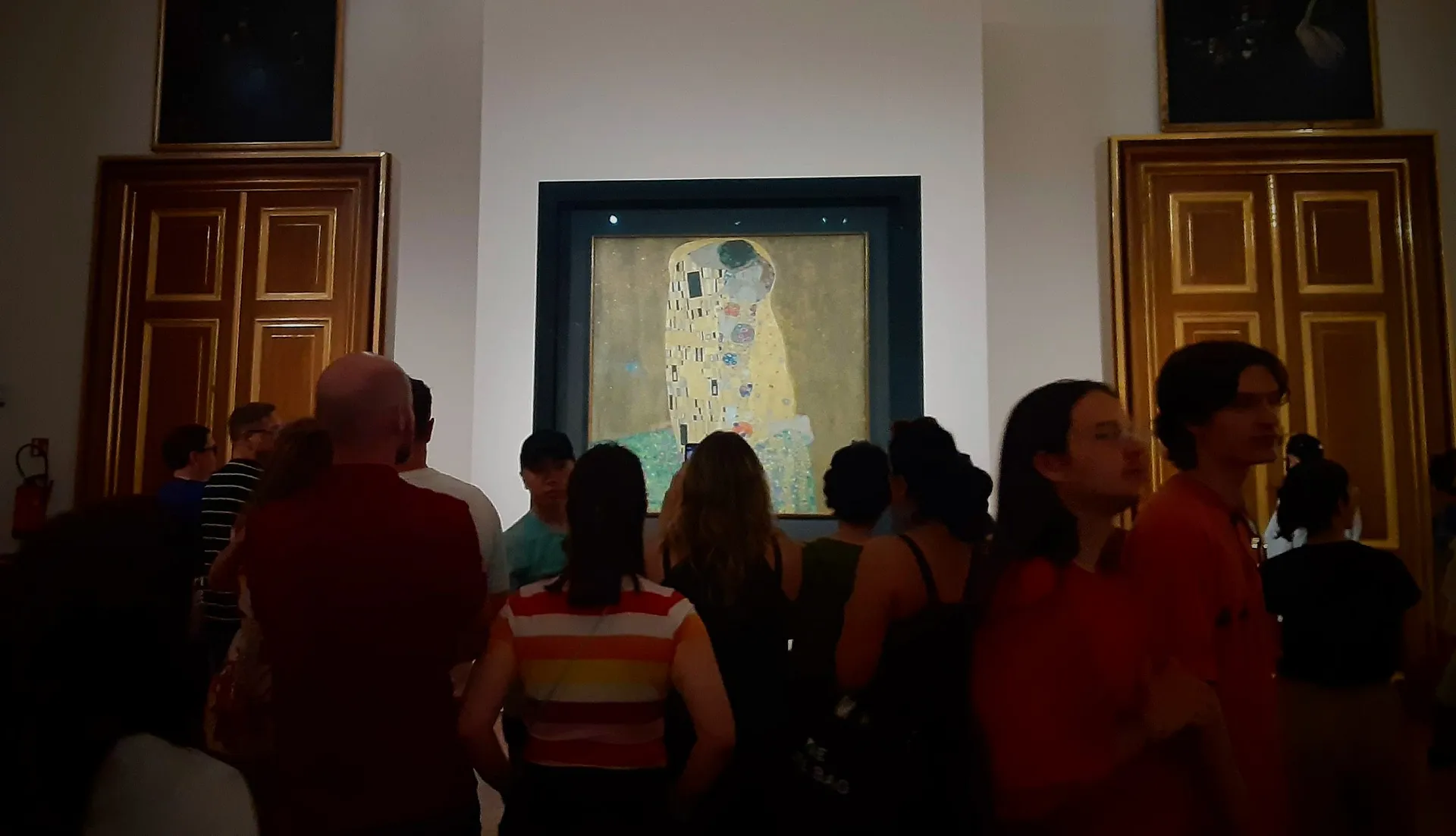
The Getty had been closed for that school field trip, so this was my first experience navigating the mass of onlookers that collects in front of every famous painting. It hadn’t occurred to me that this would be part of the experience, but surprisingly, I didn’t mind it at all.
As lovely as it is to have a private moment with a work of art, there’s also something special to me about standing at the back and watching everyone else have their own moment. The way they mime the subjects (like the couples kissing in front of The Kiss), the way they take selfies to prove they saw it with their own eyes, the way people politely take turns going up to the front and center. I love the way you can always immediately tell when you’re getting close to a museum’s most famous painting, because you can hear the crowd before you even turn the corner. There’s a general hum of excitement in the air, like the kind you feel whenever there’s a celebrity in the room with you.
After I’d seen everything else at the MoMA, I went back to Starry Night just to see what kind of crowd it had drawn. Sure enough, there it was, peeking out from behind its near-omnipresent horde of adoring fans:
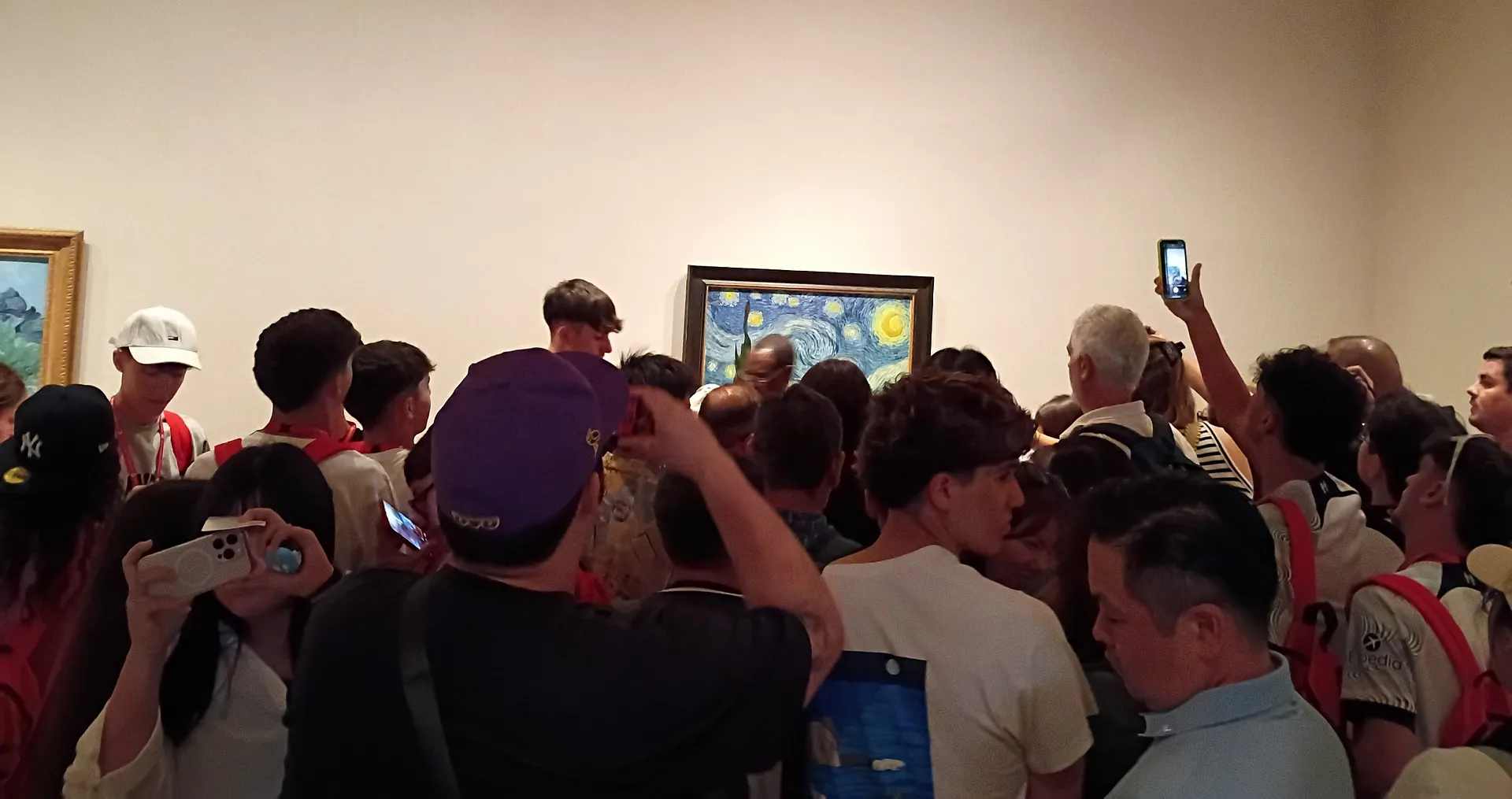
While visiting an iconic artwork might have a lot in common with visiting an iconic landmark, this is where they differ for me. In the world of travel, we’re always competing to find the biggest unknowns: the least touristy cafés, the least overrun beaches, the destinations that have yet to blow up on social media. We tend to hate places that are full of gawking tourists.
But when it comes to art, the fame of the piece is often a big part of what makes it so interesting to see in person. Every gallery is full of impressive paintings that might strike a chord with you, but the iconic ones carry a very specific weight to them. The culture around it elevates it to something more. Every Starry Night-themed coffee mug or laptop case makes it even stranger to see the original in person and realize that before it was a cultural touchstone, it was nothing but a piece of canvas, a palette of paint, and an idea in someone’s head.
So when I stand at the back of a mob that came to admire a famous painting, I don’t feel any disdain for the masses that are taking up space. They feel more like part of the art to me. It’s a shared experience I’ll never get tired of, no matter how many pieces I check off my to-do list. Decades or centuries or even millennia ago, someone made something, and now, long after they’re gone, people travel from all over the world to come see it. I love being one of those people.
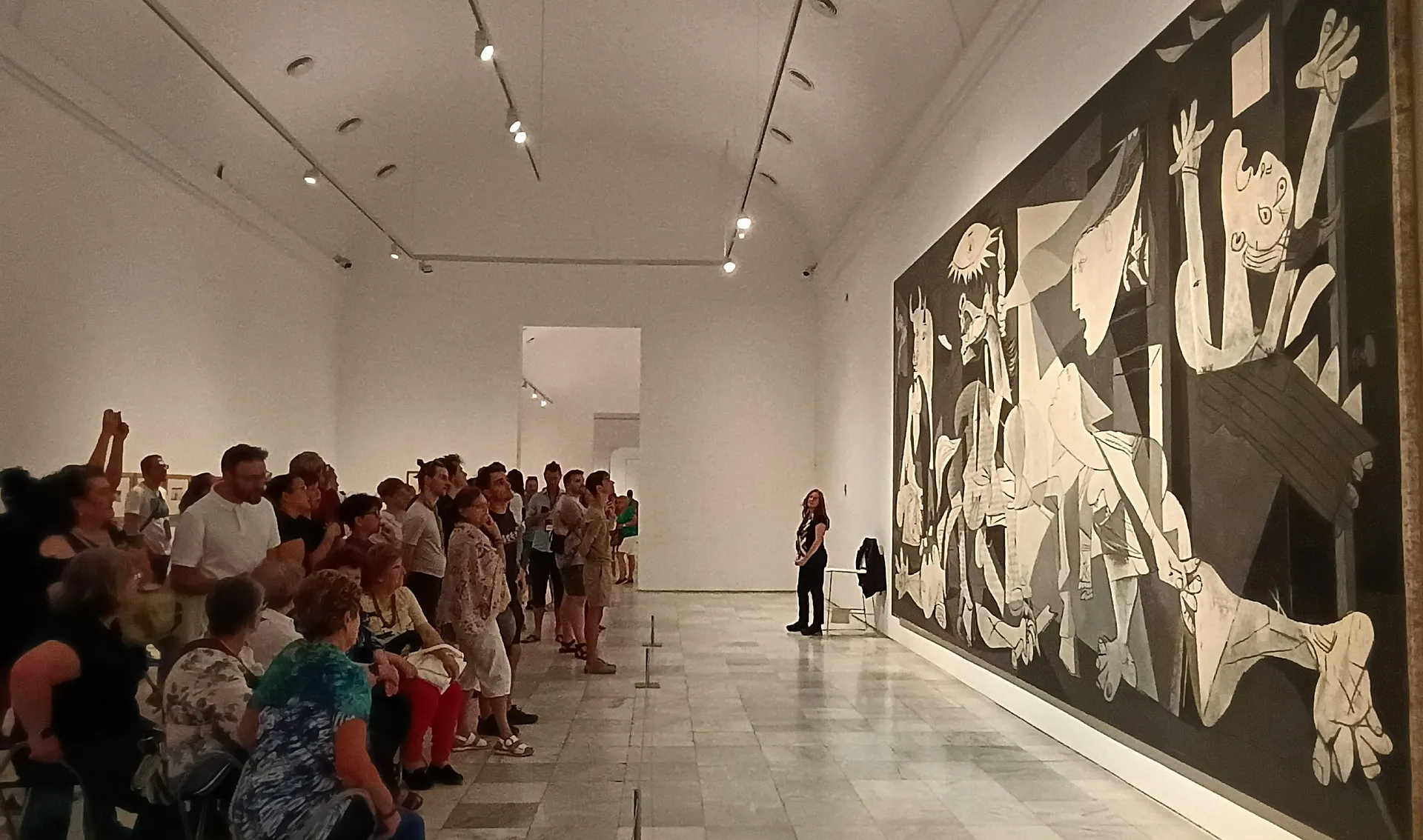
Since then, I’ve been one of those people at places like the Reina Sofía in Madrid, and the National Gallery in London – places I remember as labels under paintings in my art books.
I’m sure one day I’ll make it to Florence and lose my cool in front of the David, or find several days to set aside in Paris so I can see every inch of the Louvre. Maybe I’ll even buy some souvenirs from the museum gift shop and I can take a little piece of it home with me.
So the next time you’re admiring a famous artwork at a museum, try not to get too frustrated with the crowd. Take a few moments to peoplewatch, and to think about how wonderfully strange it is that so many of us love to see paintings that we’ve seen copies of ten million times.
But if you really want it all to yourself, you can always make a mad dash the moment the doors open :-)